The Wickedest Man in the World — Or a Master of Self-Invention?
The Wickedest Man in the World — Or a Master of Self-Invention?

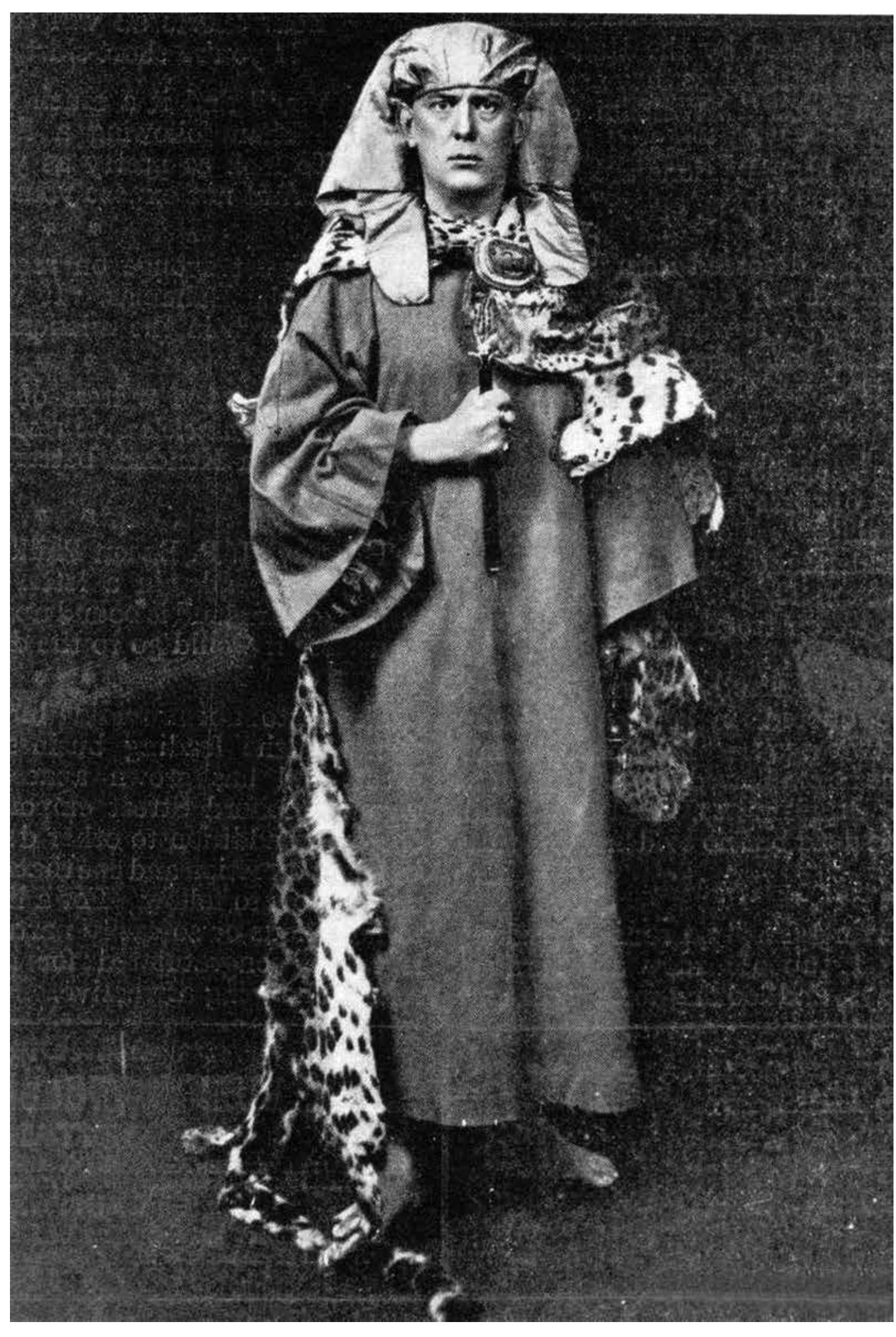


Was Aleister Crowley a satanist? A prophet? A fraud? Or simply a man who understood publicity better than anyone else in Edwardian Britain?
You’ve probably heard the nickname: “The Wickedest Man in the World.” It’s dramatic. It sticks. And it’s exactly the sort of label Crowley would have enjoyed.
But here’s the problem. That headline doesn’t explain why artists, musicians and occultists still study his work today. It doesn’t explain why his ideas shaped modern esoteric movements. And it certainly doesn’t explain why he saw himself not as evil — but as enlightened.
By the end of this article, you’ll understand who Aleister Crowley really was, what he believed, and why his reputation is both deserved and wildly exaggerated.
The Making of a Rebel
Crowley was born in 1875 into a strict Plymouth Brethren household. His childhood was steeped in evangelical Christianity — rigid rules, constant scripture, and a clear divide between good and evil.
And he hated it.
When his father died, Crowley’s relationship with religion didn’t soften. It hardened into rebellion. If his upbringing defined righteousness narrowly, Crowley would define freedom as widely as possible.
At Cambridge, he excelled intellectually but rejected convention socially. He embraced mountaineering, poetry and sexual exploration. But what truly captured him was the occult.
In the late 1890s, he joined the Hermetic Order of the Golden Dawn — the most influential magical society in Britain at the time. Through it, he studied ritual magic, symbolism, astrology and mysticism.
This wasn’t teenage rebellion. It was systematic.
Crowley didn’t dabble. He immersed himself.
The Birth of Thelema

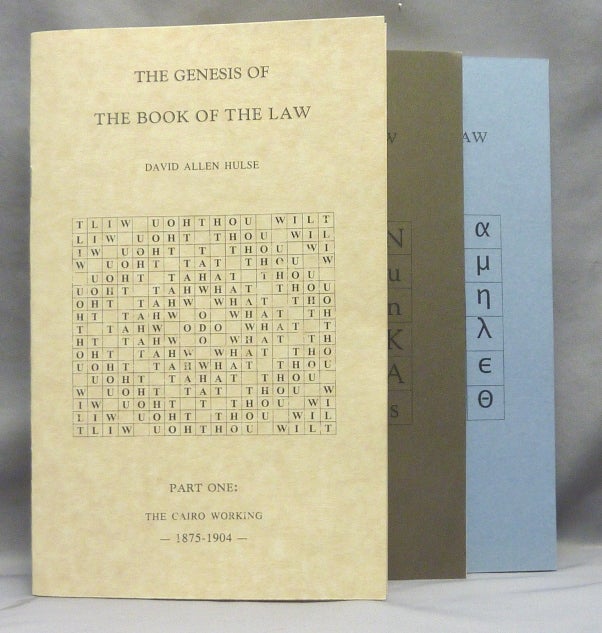

In 1904, while in Cairo, Crowley claimed he received a dictated text from a spiritual entity named Aiwass. The result was The Book of the Law — the foundation of his religious philosophy, Thelema.
Its central message?
“Do what thou wilt shall be the whole of the Law.”
At first glance, that sounds like pure indulgence. Do whatever you want. No rules. No restraint.
But that’s not what Crowley meant.
He distinguished between ordinary desire and what he called one’s “True Will” — a deeper, almost spiritual purpose. To discover your True Will and live in alignment with it was, in his view, the highest calling.
Thelema wasn’t chaos. It was self-mastery.
But nuance doesn’t sell newspapers.
Scandal, Sex and the Press
If Crowley had simply written obscure occult texts, you probably wouldn’t know his name.
What made him famous — or infamous — was his lifestyle.
He openly explored bisexuality at a time when it was criminalised. He conducted elaborate magical rituals. He used drugs as part of spiritual experimentation. He founded an abbey in Sicily, where followers practised Thelemic principles under his direction.
To early 20th-century Britain, this wasn’t eccentric.
It was outrageous.
The tabloids labelled him depraved. Headlines branded him a black magician. Stories circulated of orgies and dark rituals. Some were exaggerated. Some were grounded in truth. Crowley did very little to calm the hysteria.
In fact, he often leaned into it.
He understood something fundamental: notoriety creates power.
The title “The Wickedest Man in the World” came from the press — and he wore it like a badge.
Was He Actually a Satanist?
This is where clarity matters.
Crowley did not worship Satan in the traditional Christian sense. In fact, much of his philosophy rejected orthodox Christianity altogether. When he invoked demonic imagery, it was often symbolic — representing rebellion against restrictive morality.
But symbolism can be dangerous in a literal culture.
To Edwardian Britain, ritual magic looked indistinguishable from devil worship. And Crowley’s deliberate provocation blurred the line even further.
If you’re looking for a simple answer — no, he was not leading secret cults devoted to a horned devil.
But yes, he intentionally challenged Christian norms in ways designed to shock.
And he enjoyed the reaction.
Genius or Narcissist?
Crowley was undeniably intelligent. His writings on mysticism, magic and consciousness are dense, complex and still studied within occult circles. He influenced modern ceremonial magic, aspects of Wicca and even elements of contemporary spirituality.
He also had a remarkable ability to construct identity. He crafted himself as prophet, poet, mountaineer, magician and libertine.
But he was also self-destructive.
Drug addiction plagued him for years. Financial instability followed him across continents. Many relationships fractured. By the time he died in 1947, he was not a wealthy occult overlord — but a man in declining health, supported partly by devoted followers.
The myth had grown larger than the man.
Why Crowley Still Matters
Crowley’s influence stretches further than you might think.
Artists like Led Zeppelin referenced him. Countercultural movements of the 1960s embraced his emphasis on personal freedom. Occult revival movements still draw from his work.
But beyond influence, Crowley represents something uncomfortable.
He forces a question:
How far should personal freedom go?
If morality is inherited, are you obligated to keep it?
If purpose is internal, who gets to define it?
Crowley’s life was an experiment in radical autonomy. Sometimes visionary. Sometimes reckless. Often both at once.
The Man Behind the Myth
It’s easy to reduce Aleister Crowley to a caricature — the robed magician, the drug-fuelled libertine, the self-proclaimed Beast 666.
But caricatures are safe. Real people aren’t.
Crowley was shaped by repression and responded with excess. He was brilliant and deeply flawed. He sought transcendence but often found chaos. He wanted enlightenment but embraced provocation.
Was he wicked?
Not in the supernatural sense the tabloids implied.
Was he dangerous?
To rigid systems of belief — absolutely.
Crowley didn’t just practise magic. He performed identity. He challenged morality. He asked uncomfortable questions about authority and desire.
And whether you admire him or reject him, you’re still reacting to him more than a century later.
That, in itself, is power.

Comments
Post a Comment